
Insulin vs Tablets: Which Is Better?
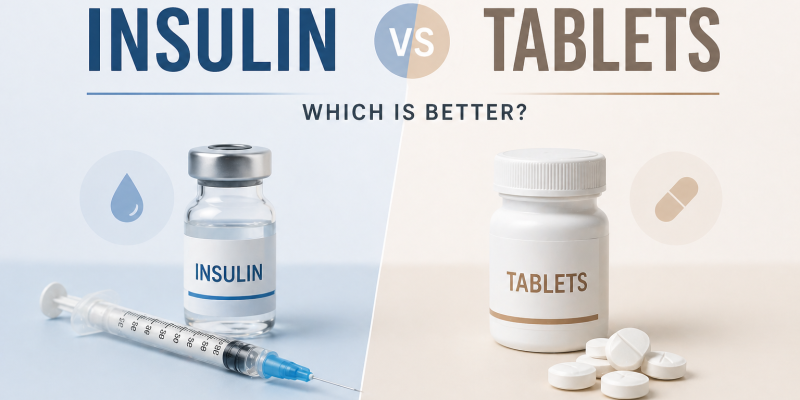
Deciding between insulin and diabetes tablets is never easy. Both types of drugs keep blood sugar within healthy ranges. They differ in action mechanisms and application methods. Making a wrong decision in diabetes treatment can harm you severely. It is important to receive the appropriate guidance since the beginning. A competent physician will assess all your health parameters before prescribing any remedy. In case you live in Maharashtra, visiting the best diabetologist in Mumbai can give great results. They will consider your age, body mass, and sugar levels. Then, they will select the proper treatment. Let us explore these remedies.
What Is Diabetes and Why Is Treatment Important?
In this disease, the human body cannot cope with blood sugar normally. Either the body produces too little insulin, or it does not respond to it well. As a result, blood sugar levels grow higher than they should be. Long-standing diabetes affects various organs. Kidneys, eyes, heart, and nerves suffer the most because of constantly elevated sugar levels.
There are two major types of this disease. In type 1 diabetes, the body does not produce insulin at all. In case of type 2 diabetes, the person's body generates insufficient amount of the mentioned hormone. Treatment depends on the particular situation and severity of diabetes. Early treatment prevents complications in the future.
What Are Diabetes Tablets?
These are oral medicines to regulate blood sugar. Different drugs act on different aspects of this process. For example, some of them stimulate additional insulin secretion from the pancreas. Others prevent glucose release from the liver. There also are drugs to increase sensitivity to insulin of the organism.
Popular diabetes tablets include Metformin, Glipizide, Sitagliptin, and Empagliflozin. The drug prescribed first is usually Metformin. This medicine is quite inexpensive and effective against most cases of type 2 diabetes. Diabetes pills are quite convenient because you need to take them only once or twice a day after meals.
There are no injections involved. As a result, these drugs are quite comfortable to administer. They are recommended when sugar levels are somewhat elevated but not critical. A competent diabetes expert will recommend the most suitable pill to you.
Advantages of Diabetes Tablets
Pills do not require any injections, so the patient does not fear needles. Oral medications are portable. They are rather cheap and available almost anywhere. These medicines are efficient in mild and moderate diabetes. Many of these drugs also have beneficial impact on heart and kidney functioning.
Disadvantages of Diabetes Pills
Some diabetes patients cannot benefit from pills. For example, type 1 diabetes is not treated with pills only. In case blood sugar is extremely high, pills cannot lower it efficiently. Some diabetes drugs can cause such side effects as nausea, abdominal pain, hypoglycemia, etc. Gradually, the body starts resisting certain drugs. Then, a physician can prescribe insulin.
What Is Insulin?
This hormone is secreted in the pancreas. However, in case of its insufficient production, patients should inject insulin regularly. Insulin helps transport glucose from blood vessels to different areas of the body.
There are several kinds of insulin. Rapid-acting insulin provides fast effects for several hours while long-acting insulin acts slowly and steadily throughout the whole day. Depending on the patient's condition, they may have to combine these drugs. Your doctor will prescribe the proper dosages and schedule.
Injection methods include using syringes, pens, and pumps. People inject insulin subcutaneously into the thigh, arm, or abdomen. Most individuals feel afraid of injections. Nevertheless, gradually you get accustomed to them. Modern insulin pens have fine needles so the patients hardly notice them.
Advantages of Insulin
This therapy is considered the strongest method to control diabetes. It is used in all types of the disease. Type 1 diabetes is always treated with insulin only. This remedy acts quickly and is fully adjustable depending on diet and physical activity level. It also allows regulating blood sugar effectively.
Disadvantages of Insulin
This therapy requires taking injections daily. Some patients find it inconvenient to deal with syringes, pens, or pumps. Insulin has to be stored properly. An overdose of insulin leads to life-threatening conditions due to extreme hypoglycemia. Therapy with insulin requires frequent monitoring of blood sugar levels.
Difference Between Insulin and Tablets
Working mechanisms: pills act by enhancing your body's sensitivity to insulin. Insulin treatment replaces missing insulin or stimulates extra production. Diabetes tablets act internally. Insulin influences blood sugar directly.
Target patients: pills are prescribed mainly to people with type 2 diabetes. They are effective in mild or moderate diabetes. This therapy can be used when a patient is diagnosed with type 2 diabetes for the first time.
Who uses insulin: this therapy is used when pills are ineffective. Insulin is used in type 1 diabetes. Pregnant patients and individuals hospitalized due to severe diseases are usually prescribed insulin. Also, it is administered when the patient suffers from acute hyperglycemia.
Ease of administration: pills are easier to take. Insulin needs some time and skills for mastering. Nonetheless, with proper guidance from a professional, the patients learn to apply insulin in just a couple of weeks.
Price: diabetes tablets are typically cheaper than insulin. There are some expensive diabetes drugs recently introduced. Their prices depend on brand, dosage, and frequency of administration.
Reasons to Move from Pills to Insulin
Your physician may decide to prescribe insulin if diabetes tablets become less efficient. The reason is called secondary failure and is associated with reduced efficacy of pancreatic cells. The second case is severe blood glucose values. Also, the physician may suggest changing therapy in case you become pregnant or are hospitalized.
Transition to insulin does not mean the failure of previous treatment. In many cases, the patients feel much better using insulin after moving from diabetes pills. In case you want to know how to find the Top diabetologist in Mumbai consult them about this procedure.
Can I Combine Insulin with Pills?
Yes, you can combine these drugs. This approach is called combination therapy. Thus, you can use diabetes pills during the day while injecting insulin in the evening. Such scheme allows maintaining steady levels of sugar in the organism 24/7.
Combination therapy is more efficient compared to monotherapy. It requires using smaller doses of insulin. It also minimizes the chances of hypoglycemia. Your doctor can prescribe this therapy in case of necessity.
Role of the Best Diabetologist in Mumbai
Selecting the proper medication is impossible without consulting the competent physician. This medical expert will examine you thoroughly. They will check your blood sugar level, HBA1C index, renal function, lifestyle habits, and other factors. Then, they will design the personalized therapy regimen.
Mumbai has excellent physicians specialized in treating different diabetes types. Modern technologies allow them making accurate decisions. Your diabetologist in Mumbai will teach you controlling sugar and administering drugs. They will explain how to monitor your sugar levels in everyday life.
If you try to search the best diabetologist in Mumbai on Google, pay attention to their competence in different diabetes types. It is vital to see a doctor with good communication skills and rich experience.
Effective Tips to Manage Diabetes
Whether you have chosen tablets or insulin to manage diabetes, your lifestyle should be improved too. Here are some effective tips that everyone who has diabetes needs to follow:
- Have a healthy diet. Reduce the number of sugar products and carbohydrates. Focus on vegetables, fruits, grains, proteins. It is recommended to consume small portions several times a day.
- Exercise regularly. Try to make it at least 30 minutes every day. It will help your body use insulin more effectively. Moreover, it is one more way to reduce stress and maintain your ideal weight.
- Test blood sugar level. You should monitor it regularly and write down numbers. Discuss your results with your doctor every time you visit him or her.
- Take pills regularly. Do not forget about the time and dosage of your tablets or injections of insulin. Missing doses will lead to rapid fluctuations of blood sugar level.
- Visit a specialist regularly. If you think that everything is okay now, this is not true. Timely visits will help your doctor to notice some symptoms in time and correct your treatment.
Conclusion
There is no universal solution to the problem of insulin and its effectiveness compared to tablets. Everything depends on your particular case and individuality. Tablets are good when blood sugar is under control. Insulin is required when blood sugar level is too high or does not react to medication. The most optimal option is to combine both medications for maximum effectiveness.
Never self-treat any health problems. In all situations, you should turn to your doctor and follow his/her recommendations. To meet the best diabetologist is your chance to receive quality services. With correct treatment and improved lifestyle, you can live a healthy life despite having diabetes.