
Fasting vs Post-Meal Sugar: What's the Difference?
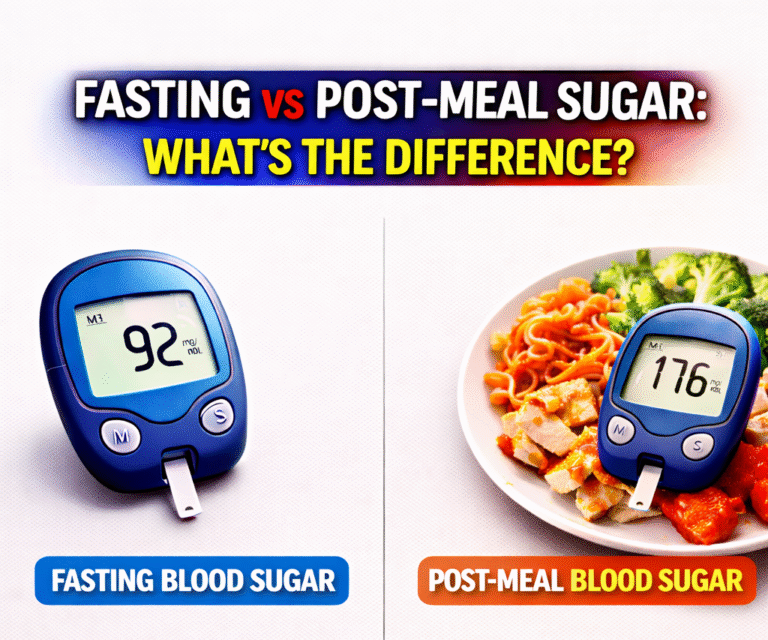
Blood sugar levels tell you a lot about your health. But many people check just one number and stop there. That is a mistake. There are two key readings that matter most: fasting blood sugar and post-meal blood sugar. Both are different. Both are important. Missing one means missing the full picture. If you have diabetes or are at risk, understanding both readings is critical. The right best diabetologist in Mumbai will always check both. This article explains what each reading means, why it matters, and what you must do to keep both in a healthy range.
What Is Fasting Blood Sugar?
Fasting blood sugar is measured after you have not eaten for at least 8 hours. Most people test this in the morning before breakfast. It shows how your body handles blood sugar when there is no food in your system.
When you sleep, your body still needs energy. Your liver releases stored glucose into the blood. Insulin then moves that glucose into your cells. In a healthy person, this process stays balanced. But in people with diabetes or insulin resistance, the balance breaks down. The liver may release too much glucose. Or insulin may not work well. This causes fasting blood sugar to rise above normal.
A normal fasting blood sugar level is below 100 mg/dL. A level between 100 and 125 mg/dL means prediabetes. A level of 126 mg/dL or higher on two separate tests means type 2 diabetes. This single number is one of the most common ways doctors first spot diabetes.
Fasting blood sugar also reflects how your body manages sugar overnight. High levels in the morning can point to problems with your liver, your hormones, or your medication dose. Your best diabetologist in Mumbai will use this number to adjust your treatment plan.
What Is Post-Meal Blood Sugar?
Post-meal blood sugar is also called postprandial blood sugar. It measures your blood sugar after eating. Doctors usually check it one to two hours after the first bite of your meal.
When you eat, your body breaks down carbohydrates into glucose. This glucose enters the bloodstream. Blood sugar goes up. The pancreas then releases insulin. Insulin helps move the glucose into your cells. In a healthy person, blood sugar rises and then comes back down within two hours.
But in people with diabetes or insulin resistance, this process is slower. Blood sugar spikes too high and stays high for too long. These spikes cause damage over time. They harm your blood vessels, kidneys, eyes, and nerves.
A normal post-meal reading is below 140 mg/dL at two hours. A level between 140 and 199 mg/dL suggests prediabetes. A level of 200 mg/dL or higher confirms type 2 diabetes. Post-meal readings often reveal problems that fasting tests miss completely.
Key Differences Between Fasting and Post-Meal Sugar
These two readings measure different things. Fasting sugar shows your baseline blood glucose. It reflects what your body does at rest, without food. Post-meal sugar shows how your body responds to food. It reflects your body's ability to handle glucose after eating.
Fasting sugar is more stable. It changes slowly over time. Post-meal sugar changes quickly. It depends on what you eat, how much you eat, and when you eat. A meal high in refined carbs can spike post-meal sugar fast.
Both numbers work together. A person can have a normal fasting sugar but a high post-meal sugar. This still puts them at risk for diabetes complications. On the other hand, a person with a high fasting sugar but well-controlled post-meal spikes may have better long-term outcomes.
This is why the best diabetologist in Mumbai always looks at both readings. Checking only one gives an incomplete picture of your blood sugar health.
Why Both Readings Matter for Diabetes Management
Doctors use both readings to understand your full diabetes risk. Together, they paint a complete picture. HbA1c is another important test. It shows your average blood sugar over three months. But even HbA1c has limits. Two people can have the same HbA1c but very different fasting and post-meal patterns.
High fasting sugar over time damages large blood vessels. It raises your risk of heart disease and stroke. High post-meal spikes damage small blood vessels. They increase the risk of kidney disease, nerve damage, and eye problems.
Managing both is key. Your doctor may change your diet, exercise plan, or medication based on which reading is out of range. The goal is to keep both numbers in a healthy range, not just one.
Consistent high post-meal readings, even with normal fasting sugar, can cause oxidative stress and inflammation. These are silent processes that damage your body over years. Only regular monitoring and expert guidance can help you stay ahead of these risks.
How to Control Fasting Blood Sugar
Controlling fasting sugar starts with your lifestyle. Simple, consistent habits make a big difference over time.
Eat a light, low-carb dinner. Heavy dinners, especially late at night, push your fasting sugar higher in the morning. Choose proteins and vegetables for your last meal. Avoid white rice, bread, and sweets at night.
Exercise regularly. Physical activity makes your body more sensitive to insulin. Even a 30-minute walk every day helps lower fasting sugar. The best time to exercise is after dinner, not right before bed.
Sleep well. Poor sleep raises the stress hormone cortisol. Cortisol pushes blood sugar up. Aim for seven to eight hours of sleep every night.
Take your medication on time. If your doctor has prescribed medicine for fasting blood sugar control, do not skip doses. Talk to your best diabetologist in Mumbai if your fasting readings remain high despite medication.
How to Control Post-Meal Blood Sugar
Controlling post-meal spikes is about what you eat and how you eat it. Small changes in your diet and habits can lower your post-meal readings significantly.
Choose low glycemic index (GI) foods. Low-GI foods release glucose slowly into the blood. This prevents sudden spikes. Brown rice, oats, legumes, and most vegetables are good choices. Avoid white bread, sugary drinks, and processed snacks.
Eat smaller portions. A large meal gives your body too much glucose at once. Break your three large meals into five or six smaller ones. This keeps post-meal spikes lower throughout the day.
Walk after meals. A 15 to 20 minute walk after eating helps your muscles absorb glucose. This reduces the post-meal spike quickly and safely. It is one of the easiest and most effective habits for people with diabetes.
Eat fiber-rich foods. Fiber slows digestion and the release of glucose. Add vegetables, flaxseeds, and whole grains to your meals. Fiber also keeps you full longer.
When Should You See a Diabetologist?
You should see a specialist if your fasting or post-meal sugar is regularly out of range. Do not wait for symptoms. Many people with high blood sugar feel fine until serious damage has already occurred.
See a doctor if your fasting sugar is above 100 mg/dL. See a doctor if your post-meal sugar is above 140 mg/dL regularly. See a doctor if you feel tired often, urinate frequently, or have blurred vision. These are warning signs.
The best diabetologist in Mumbai will run a full check. This includes fasting sugar, post-meal sugar, HbA1c, and kidney function tests. Based on your results, they will create a plan that fits your life and medical needs.
Early treatment prevents complications. A good specialist will guide you on diet, exercise, and medication. They will also help you understand your readings so you can manage your health with confidence.
Conclusion
Fasting and post-meal blood sugar are not the same. They measure different aspects of how your body handles glucose. Both matter for your long-term health. Ignoring one while tracking the other puts you at risk. Fasting blood sugar shows your baseline glucose levels. Post-meal blood sugar shows how well your body responds to food. Together, they give the most complete picture of your diabetes risk. Make it a habit to track both. Eat smart, stay active, and sleep well. And always work with the best diabetologist in Mumbai to keep both your readings in a healthy, safe range. Your health depends on the full picture, not just half of it.