
Prediabetes: Warning Signs & How to Reverse It
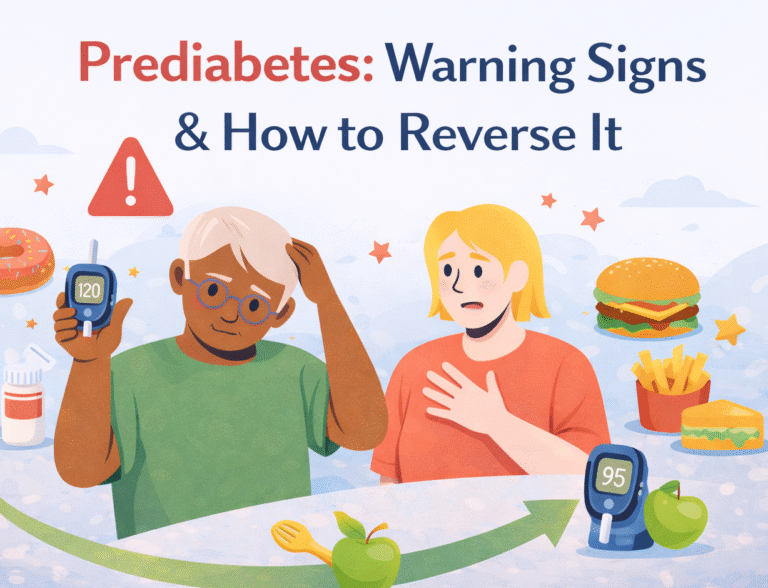
Your blood sugar is higher than normal, but not high enough to be called diabetes. This is prediabetes. Millions of people have it and do not even know.
It is a silent condition. There are no dramatic symptoms. However, this is your body sending you a clear signal. Ignore it, and it can turn into Type 2 diabetes within a few years.
On the other hand, if you act early, you can fully reverse it. The right diet, exercise, and guidance from the best diabetologist in Mumbai can make a real difference. Therefore, the time to act is now.
What Is Prediabetes?
Prediabetes means your blood sugar levels are above normal. But they have not crossed the threshold for Type 2 diabetes yet. Your body is struggling to use insulin properly. Insulin is a hormone that helps sugar enter your cells. When cells resist insulin, sugar stays in the blood. Over time, this raises your blood sugar levels. Doctors check this with a fasting blood sugar test or an HbA1c test. A fasting sugar between 100–125 mg/dL usually means prediabetes. An HbA1c between 5.7% and 6.4% also points to prediabetes. Catching this early gives you the best chance to reverse it completely.
Warning Signs of Prediabetes
Most people with prediabetes feel perfectly fine. That is what makes it tricky. But some signs can hint at rising blood sugar levels. Knowing these signs can help you act early.
Increased thirst and frequent urination are common early signs. When blood sugar rises, your kidneys work harder. They flush out the extra sugar through urine. This causes more trips to the bathroom. It also leads to more thirst. You drink more water, but still feel dry.
Fatigue is another important signal. Your cells are not getting enough energy from glucose. So your body feels tired even after rest. This kind of fatigue is persistent. It does not go away with sleep.
Blurry vision can also occur. High blood sugar pulls fluid from the lenses of your eyes. This affects your ability to focus. Many people ignore this early sign.
Darkened skin patches are a tell-tale sign. These patches appear on the neck, armpits, or groin. They look dark and velvety. This condition is called acanthosis nigricans. It signals insulin resistance in the body.
Slow healing of cuts and wounds is also a warning. High blood sugar affects blood circulation. It also weakens the immune system. So even small wounds take longer to heal.
If you notice any of these signs, consult a diabetes specialist right away. Early detection is everything.
Who Is at Risk?
Not everyone develops prediabetes. But certain factors raise your risk significantly. Understanding your risk helps you stay vigilant.
Weight plays a big role. Extra body fat, especially around the belly, makes it harder for your body to use insulin. Even modest weight gain can increase your risk.
Physical inactivity is another major factor. A sedentary lifestyle slows your metabolism. Your body becomes less efficient at managing blood sugar.
The history of the family has to be considered as well. In case one of your relatives suffers from Type 2 diabetes, you are at greater risk. Genetics can also determine whether one has trouble regulating insulin.
Another important factor is the age. Patients who are older than 45 have more chances to get the condition. However, it may occur even among younger people and adolescents due to improper lifestyles.
Gestational diabetes during pregnancy also raises future risk. Women who had high blood sugar during pregnancy are more likely to develop Type 2 diabetes later.
How Is Prediabetes Diagnosed?
Diagnosis is simple and quick. Your doctor will suggest one or more blood tests.
Fasting Blood Sugar Test: You avoid food for 8 hours. Then your blood is tested. A reading between 100–125 mg/dL means prediabetes.
HbA1c Test: This test shows your average blood sugar over the past 2–3 months. A reading between 5.7% and 6.4% indicates prediabetes.
Oral Glucose Tolerance Test (OGTT): You drink a sugary liquid and your blood sugar is tested 2 hours later. A reading between 140–199 mg/dL points to prediabetes.
Regular screening is important. Many people do not get tested until symptoms appear. But by then, prediabetes may already be progressing. The best diabetologist in Mumbai recommends screening for anyone over 35, or earlier if risk factors exist.
How to Reverse Prediabetes
The good news is that prediabetes is reversible. You do not need heavy medication in most cases. Lifestyle changes are the most powerful tool. Here is how to start.
1. Improve Your Diet
Food is your first medicine. Cut down on refined carbohydrates. White rice, white bread, sugary drinks, and sweets spike blood sugar fast. Replace them with whole grains, lentils, vegetables, and fibre-rich foods. Eat smaller portions. Do not skip meals. Eat at regular intervals to keep blood sugar stable. Add protein to every meal. It slows glucose absorption and keeps you full longer. Limit packaged and processed food. They often contain hidden sugars and unhealthy fats.
2. Get Moving Every Day
Exercise is one of the best tools to fight prediabetes. Physical activity helps your muscles use glucose more efficiently. This lowers blood sugar naturally. Aim for at least 30 minutes of moderate exercise daily. Brisk walking, cycling, swimming, or yoga all work well. Even light stretching is better than sitting all day. Start slow if you are new to exercise. Build up your routine gradually. Consistency matters more than intensity at the beginning.
3. Lose Weight if Needed
It does not require a large amount of weight loss for one to observe the results. Research indicates that a mere 5 to 7% reduction in body mass can reduce the probability of getting diabetes by half. For instance, a person who weighs 80 kilograms only needs to lose 4 to 6 kilograms to observe significant change. Sustainable weight loss should be considered rather than crash diets.
4. Manage Stress
Stress raises cortisol levels in the body. High cortisol can push blood sugar up. Chronic stress makes prediabetes harder to control. Practice stress management every day. Meditation, deep breathing, and light yoga can help. Even a short walk in the park works. Quality sleep also reduces stress hormones. Aim for 7–8 hours of sleep every night.
5. Work with a Specialist
While self-management is useful, professional advice is much better. Your diabetes doctor will be able to track your progress and change your program accordingly. He or she will know what tests should be taken and develop a customized program for you. In case you are residing in India’s commercial hub, you can consult the best diabetologist in Mumbai and reverse your prediabetes completely.
Prediabetes and Medications
In most cases, lifestyle changes alone are enough to reverse prediabetes. But some doctors may prescribe medication alongside lifestyle changes. Metformin is the most commonly used medicine. It helps the body use insulin better. It also slows glucose production in the liver. Your doctor decides whether medication is needed based on your test results and risk factors. Do not self-medicate. Always follow your doctor's advice.
Conclusion
Prediabetes is not a life sentence. It is an opportunity. Your body is telling you something important. Listen to it. A few simple changes in diet, activity, and lifestyle can fully reverse prediabetes. You do not have to walk the path alone. Guidance from the best diabetologist in Mumbai can make your journey easier and safer. Take that first step today. Your health is in your hands.