
Difference Between Type 1 and Type 2 Diabetes
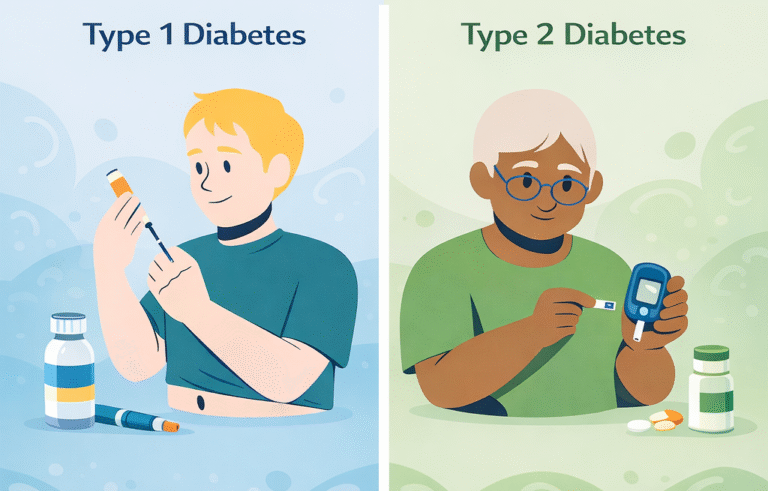
Diabetes is one of the fastest-growing health conditions in the world. Millions of people live with it every day. Yet many people still do not understand what it really means. There are two main types — Type 1 diabetes and Type 2 diabetes. They share a name, but they are very different. They have different causes, different symptoms, and different treatments. Knowing the difference helps you make smarter health choices. It also helps you understand what your doctor is telling you. If you or a loved one has diabetes, knowing these differences matters. The best diabetologist in Mumbai can guide you better when you understand your condition well.
What Is Diabetes?
Diabetes is a condition where the body cannot manage blood sugar properly. Blood sugar, also called glucose, is the main source of energy. The body uses a hormone called insulin to move glucose into the cells. When this process fails, blood sugar levels rise too high. Over time, high blood sugar damages the body. It affects the eyes, kidneys, nerves, and heart. Both Type 1 and Type 2 diabetes cause high blood sugar. But the reasons behind it are very different.
What Is Type 1 Diabetes?
Type 1 diabetes is an autoimmune condition. In this condition, the immune system attacks the cells in the pancreas. These cells are called beta cells. They are responsible for making insulin. When they are destroyed, the body stops making insulin completely. Without insulin, glucose cannot enter the cells. It builds up in the blood instead.
Type 1 diabetes usually develops in children and young adults. That is why it was once called juvenile diabetes. But it can appear at any age. People with Type 1 diabetes must take insulin every day to survive. There is no way to prevent this condition. Scientists believe genes and certain viruses may trigger it. The immune system then overreacts and attacks healthy cells by mistake.
Common symptoms include frequent urination, extreme thirst, sudden weight loss, and fatigue. These symptoms often appear quickly. A person may feel very sick within days or weeks.
What Is Type 2 Diabetes?
Type 2 diabetes is a metabolic condition. The body still makes insulin, but it does not use it well. This is called insulin resistance. Over time, the pancreas tries to make more insulin. But it cannot keep up. Eventually, blood sugar levels rise too high.
Type 2 diabetes is far more common than Type 1. It affects about 90 to 95 percent of all people with diabetes. It usually develops slowly over many years. Lifestyle factors play a big role. Being overweight, eating poorly, and not exercising increase the risk. Age is also a factor. Most people develop it after age 45. But it is becoming more common in younger people too.
Symptoms of Type 2 diabetes can be mild at first. Some people have no symptoms for years. That makes it easy to miss. Regular checkups with a diabetes specialist in Mumbai can catch it early before it causes serious damage.
Key Differences Between Type 1 and Type 2 Diabetes
The biggest difference is the cause. In Type 1 diabetes, the immune system destroys insulin-making cells. In Type 2 diabetes, the body becomes resistant to insulin. The pancreas still works, but not well enough.
The age of onset also differs. Type 1 often starts in childhood or early adulthood. Type 2 usually develops later in life. However, Type 2 is now seen in teenagers and young adults due to poor diet and inactivity.
Type 1 diabetes cannot be prevented. It is not caused by diet or lifestyle. However, Type 2 diabetes can often be prevented. Healthy eating, regular exercise, and maintaining a good weight reduce the risk greatly.
Treatment also differs. Type 1 always requires insulin. Without it, the person cannot survive. Type 2 may be managed with diet and exercise alone at first. As it progresses, medications or insulin may be needed.
Body weight plays a different role too. Most people with Type 1 diabetes are not overweight. Most people with Type 2 diabetes are either overweight or obese. However, thin people can also develop Type 2 diabetes.
How Is Each Type Diagnosed?
Doctors use blood tests to diagnose both types. The most common tests are the fasting blood sugar test and the HbA1c test. These check how well the body manages blood sugar. Additional tests help determine which type of diabetes a person has.
For Type 1, doctors look for specific antibodies in the blood. These antibodies show that the immune system has attacked the pancreas. They also measure insulin levels, which are very low or absent in Type 1.
In Type 2, doctors will also look into the risk factors such as age, weight, and family history. They will also do tests for insulin resistance. Seeking consultation with a best diabetologist in Mumbai is crucial to ensure accurate diagnosis and proper treatment from the beginning.
Treatment Options for Both Types
Diabetes type 1 patients need to administer insulin on a daily basis. This involves administering insulin through injection or insulin pump. They should also monitor their blood sugar levels multiple times daily. While diet and exercise are essential, they cannot substitute insulin intake.
Patients with type 2 diabetes can choose from various treatments. Many start with lifestyle changes. Eating less sugar and processed food helps. Walking or exercising for 30 minutes a day makes a big difference. If lifestyle changes are not enough, doctors prescribe medications. Metformin is the most common first medication. Some people eventually need insulin.
Both types require regular monitoring.Blood glucose testing prevents extremes. Frequent trips to the diabetic specialist based in Mumbai ensure that diabetes is well-managed. Other components of diabetes management include regular eye exams, kidney checks, and foot examinations.
Can Either Type Be Reversed?
Type 1 diabetes cannot be reversed. The immune damage is permanent. Researchers are working on treatments like beta cell transplants and immune therapies. But no cure exists yet.
Type 2 diabetes can go into remission. This means blood sugar levels return to normal without medication. This happens through major lifestyle changes or weight loss surgery. However, remission is not a cure. The risk of it returning stays high. Ongoing healthy habits are essential.
Role of a Diabetologist in Treating Diabetes
Diabetologists are medical doctors who specialize in treating diabetes. They are knowledgeable about both types of diabetes. They assist patients in selecting appropriate medications. They guide patients on diet, exercise, and monitoring.
The best diabetologist in Mumbai creates a personalized treatment plan. Every patient is different. What works for one person may not work for another. A specialist helps you find the right approach for your body and lifestyle. Regular follow-ups also help catch complications early. Early treatment prevents serious damage to organs.
Conclusion
Type 1 and Type 2 diabetes are two different diseases. The causes, risk factors, and treatments are completely different.
Type 1 is an autoimmune disorder that affects insulin production. On the other hand, Type 2 is linked to lifestyle and habits.
In both cases, it is important to seek medical help early. You do not have to manage diabetes alone. The best diabetologist in Mumbai will guide you and help you live a healthy life.